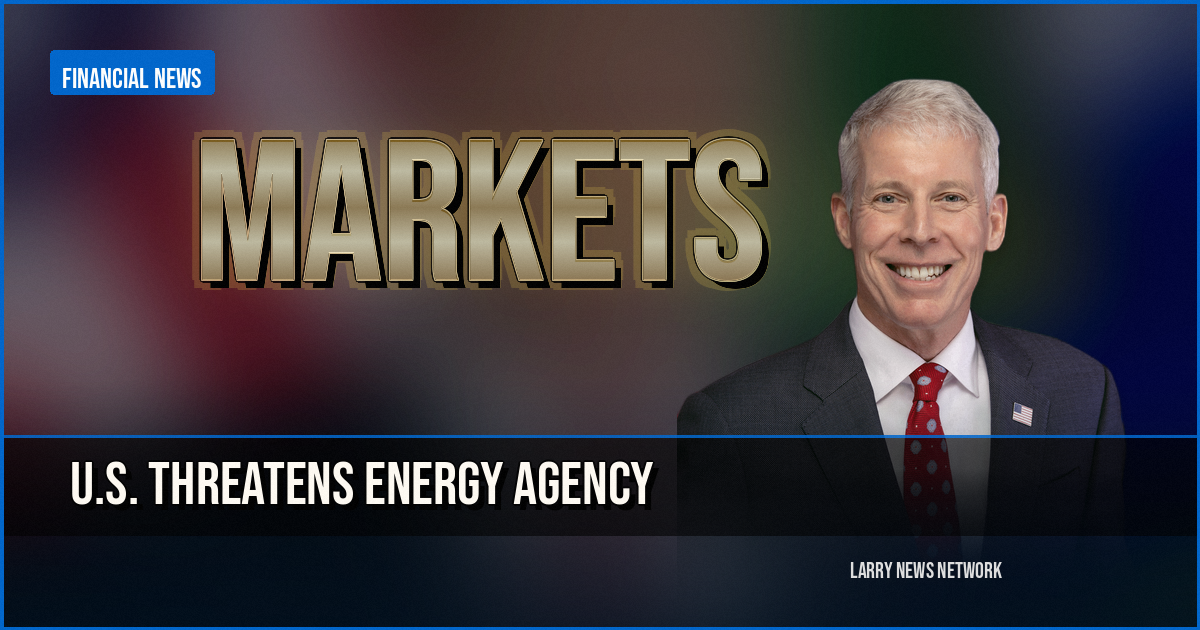
The International Energy Agency (IEA) 2026 Ministerial Meeting and Energy Innovation Forum in the OCDE in Paris, France, on February 18 and 19, 2026.
U.S. Energy Secretary Chris Wright said on Thursday that the U.S. would "pressure" the International Energy Agency to move away from net zero — and quit from the global watchdog if it failed to do this.
Wright was speaking on the last day of an IEA ministerial meeting in Paris and shortly after he said the agency would need to reform for the U.S. to remain a long-term member.
"There has been such a group mentality, 10 years invested in a destructive illusion of net zero by 2050, that the U.S. will use all the pressure we have to get the IEA to eventually, in the next year or so, move away from this agenda," Wright said, according to Reuters.
The 2015 Paris Agreement committed nations to "net zero", the balancing of carbon emitted into the atmosphere and removed from it. The U.S., India and the European Union were among the polluters that ratified the accord.
Wright added that it was not Washington's intention to leave the IEA, as there's "always a risk" China could gain dominance in the agency if it did.
CNBC has reached out to the U.S. Department of Energy and the IEA for comment.
The implications of this development extend far beyond the immediate industry impacts. Experts suggest that this could fundamentally reshape how we approach these challenges in the coming years.
According to industry analysts, the market response has been overwhelmingly positive, with stakeholders expressing optimism about the potential for long-term growth and innovation in this space.
Looking ahead, researchers and industry leaders are already planning the next phase of development, which promises to build on these initial breakthroughs and push the boundaries even further.
As this story continues to develop, our team will be monitoring the situation closely and providing updates as new information becomes available. The full ramifications of these changes may not be apparent for some time, but early indicators suggest a significant shift in the landscape.
Stakeholders are encouraged to stay informed as the situation evolves, and experts recommend taking a measured approach to understanding both the opportunities and challenges that lie ahead.