TOP STORIES
BUSINESS
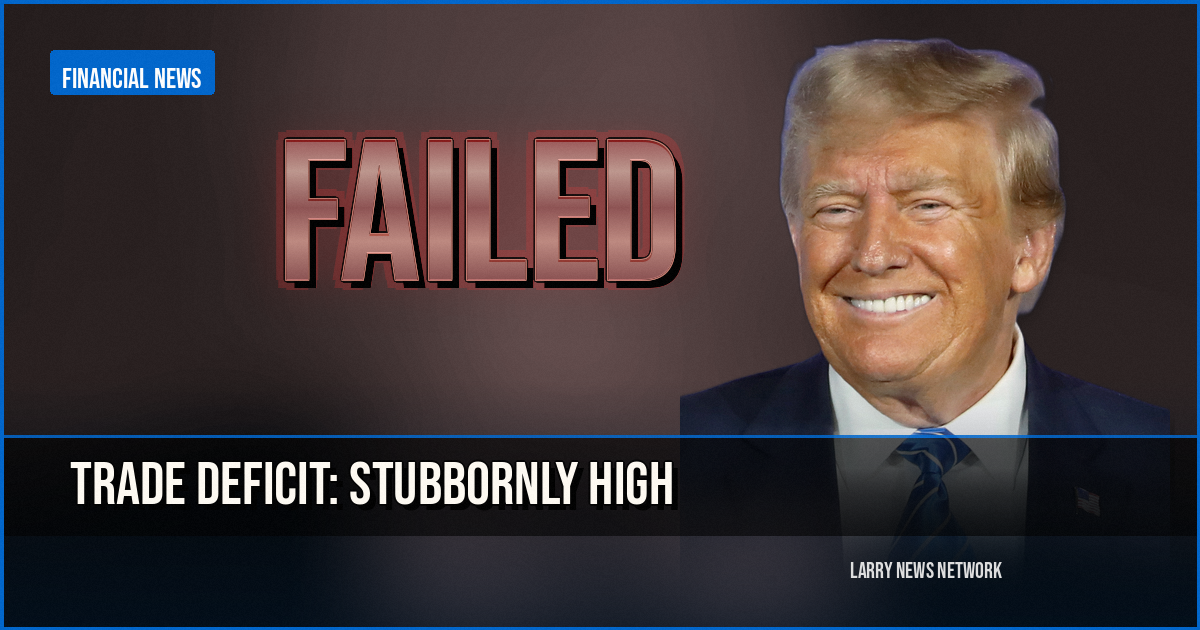
U.S. trade deficit totaled $901 billion in 2025, barely budging despite Trump's tariffs
The U.S. trade deficit significantly widened in December, reaching $70.3 billion. This marked a substantial increase of $17.3 billion from November and was well above the Dow Jones consensus estimate of $55.5 billion. For the full year 2025, the U.S. recorded a $901.5 billion deficit, representing a marginal decrease of just 0.2% ($2.1 billion) from 2024. This figure indicates that despite the Trump administration's aggressive tariff policies implemented throughout the year, the overall trade imbalance remained essentially unchanged. Full-year exports rose to $3.43 trillion, while imports increased to $4.33 trillion. The largest goods deficits were observed with the European Union, China, and Mexico. The December surge highlights ongoing global trade imbalances and the limited immediate impact of trade policies on the annual deficit.
Emily Warren
BUSINESS
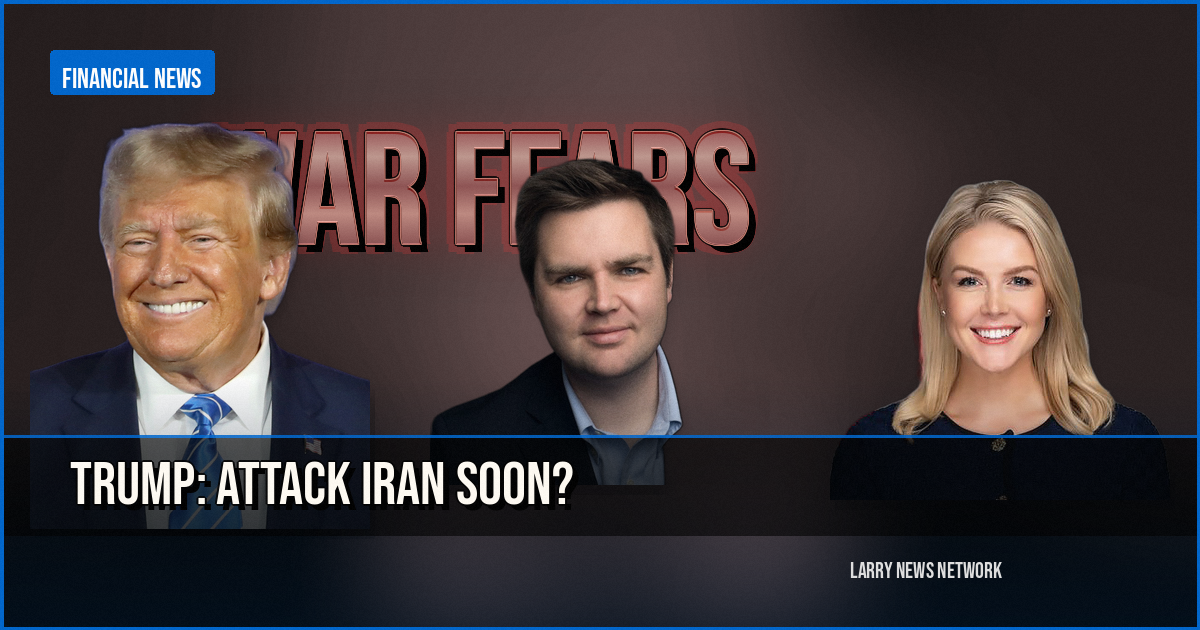
Trump to decide whether to attack Iran in next 10 days — oil prices jump
President Donald Trump announced on February 19, 2026, that he would decide within the next 10 days whether to launch military strikes against Iran or pursue a "meaningful deal." This declaration immediately impacted oil markets, with U.S. crude (WTI) rising 2.29% to $66.68 per barrel and global benchmark Brent up 1.99% to $71.75. Oil prices have been on an upward trend this week, with WTI gaining 6%, driven by fears of an imminent U.S. attack. Diplomatic efforts this week saw U.S. envoys engage Iran in Geneva regarding its nuclear program. However, Vice President JD Vance stated Iran did not address U.S. "red lines," though Press Secretary Karoline Leavitt noted some progress but significant remaining differences. A substantial U.S. military buildup is underway in the Middle East, while Iran's Revolutionary Guard conducted exercises in the critical Strait of Hormuz. Traders are concerned that conflict could severely disrupt global oil flows through this key chokepoint.
Emily Warren
BUSINESS
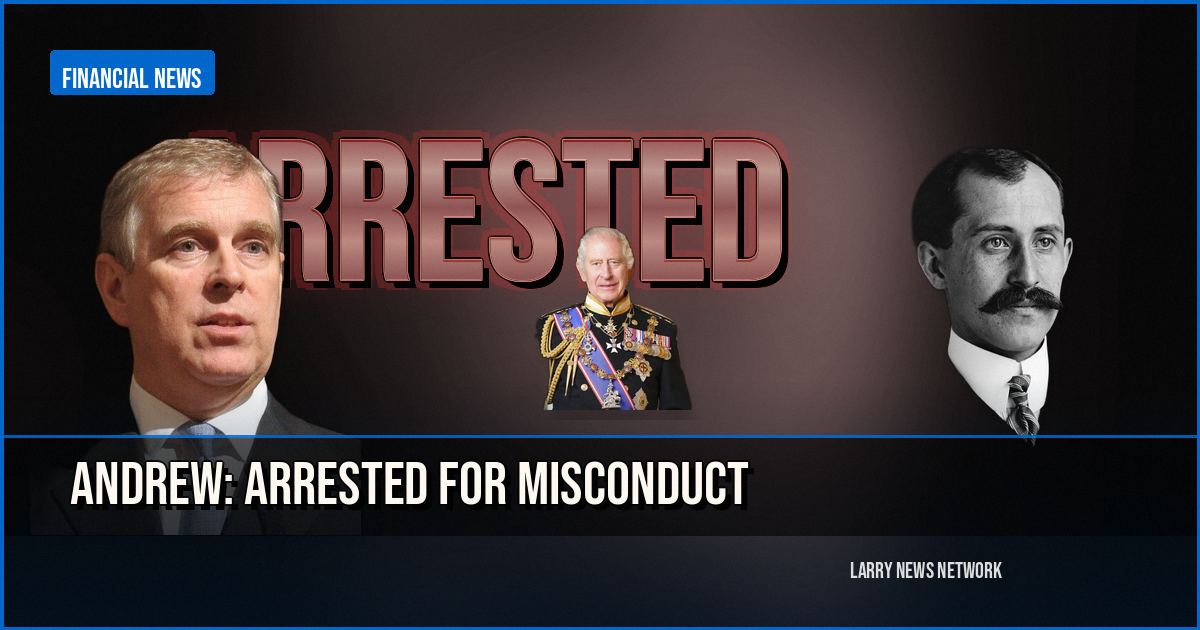
King Charles' brother Andrew arrested on suspicion of misconduct
U.K. police on Thursday arrested Andrew Mountbatten-Windsor, King Charles III's brother, on suspicion of misconduct in public office. Thames Valley Police confirmed the arrest of a man in his 60s from Norfolk, stating searches were underway at addresses in Berkshire and Norfolk as part of an ongoing investigation. Assistant Chief Constable Oliver Wright emphasized the importance of protecting the inquiry's integrity and objectivity. King Charles III promptly issued a statement expressing his "deepest concern" over the development. The monarch affirmed the royal family's "full and wholehearted support and co-operation" for the police, asserting that "the law must take its course." This arrest follows Andrew's past controversies, including his association with the late Jeffrey Epstein. While Andrew denied previous allegations and there is no indication this arrest relates to claims by Virginia Giuffre (who died in 2025), police had previously assessed reports alleging he sent confidential trade reports to Epstein in 2010. The investigation is ongoing, with further updates expected.
Emily Warren
BUSINESS
New York Gov. Hochul drops robotaxi service proposal for outside NYC in blow to Waymo
New York Governor Kathy Hochul has withdrawn a proposal that would have allowed commercial robotaxi services, including Alphabet's Waymo, to launch in parts of the state. Her office cited a lack of support from stakeholders, including the legislature, for the decision. This reversal is a significant setback for autonomous vehicle (AV) operators like Waymo, which had plans for broader expansion and expressed disappointment. The proposal, introduced by Hochul last month, aimed to permit limited deployment outside of New York City, a potentially lucrative market. It faced considerable scrutiny from labor unions, rideshare drivers, and transit workers, who voiced concerns over safety and potential job losses. Waymo's existing AV testing in New York City, currently conducted with human safety drivers under an extended permit, will not be affected. The withdrawal highlights the ongoing regulatory hurdles and stakeholder resistance impacting the commercialization and widespread adoption of robotaxi services in major U.S. markets.
Emily Warren
TECH NEWS
VIEW ALLPOLITICS
VIEW ALLLATEST NEWS

BUSINESS
Janus Henderson Launches New CLO ETF, The Commodities Comeback | ETF IQ 2/19/2026
Bloomberg ETF IQ recently featured a segment dedicated to the global exchange-traded funds (ETF) industry, a sector that now commands trillions of dollars in assets. The discussion aimed to provide a comprehensive overview of the significant opportunities, inherent risks, and prevailing trends shaping this influential investment vehicle. The program brought together leading industry experts to offer diverse perspectives. Guests included John Kerschner, Global Head of Securitized Products at Janus Henderson; Kathy Kriskey, Head of Alternatives ETF Strategy at Invesco; and Perth Tolle, Founder of Life + Liberty Indexes. Their collective insights were intended to equip informed investors with a deeper understanding of the evolving ETF landscape, addressing critical factors that impact market performance, portfolio construction, and strategic decision-making within this crucial financial domain.
Emily Warren

BUSINESS
AI Seen Driving US Convertible Bond Sales to Another Banner Year
US convertible bond issuance has reached unprecedented levels, primarily driven by companies linked to artificial intelligence. According to Bloomberg data, through February 18, 2026, 18 companies have raised nearly $13.6 billion from equity-linked securities sales. This marks a significant 556% increase compared to the same period in 2025. The prior year, 2025, also set a record, with total issuance exceeding $120 billion. This robust activity underscores a strong market trend where AI-related firms are increasingly utilizing convertible bonds to secure capital. Analysts anticipate this high volume of issuance will likely continue throughout the current year, reflecting sustained demand for this financing instrument, particularly within the technology sector.
Emily Warren
BUSINESS
Walmart’s Cautious Outlook Reflects Uneven State of US Economy
Walmart Inc. has issued a cautious outlook for its current fiscal year, projecting adjusted earnings per share (EPS) to rise to between $2.75 and $2.85. This forecast falls below Wall Street's average analyst expectation of $2.97 per share. The world's largest retailer attributed its conservative guidance to the necessity for flexibility amid unpredictable consumer behavior and economic conditions. This discrepancy between the company's internal projections and market expectations suggests potential challenges ahead for the retail sector, possibly signaling slower consumer spending or higher operational costs. Walmart's emphasis on consumer uncertainty underscores broader economic pressures impacting even major retailers, potentially influencing investor sentiment across the industry.
Emily Warren
BUSINESS
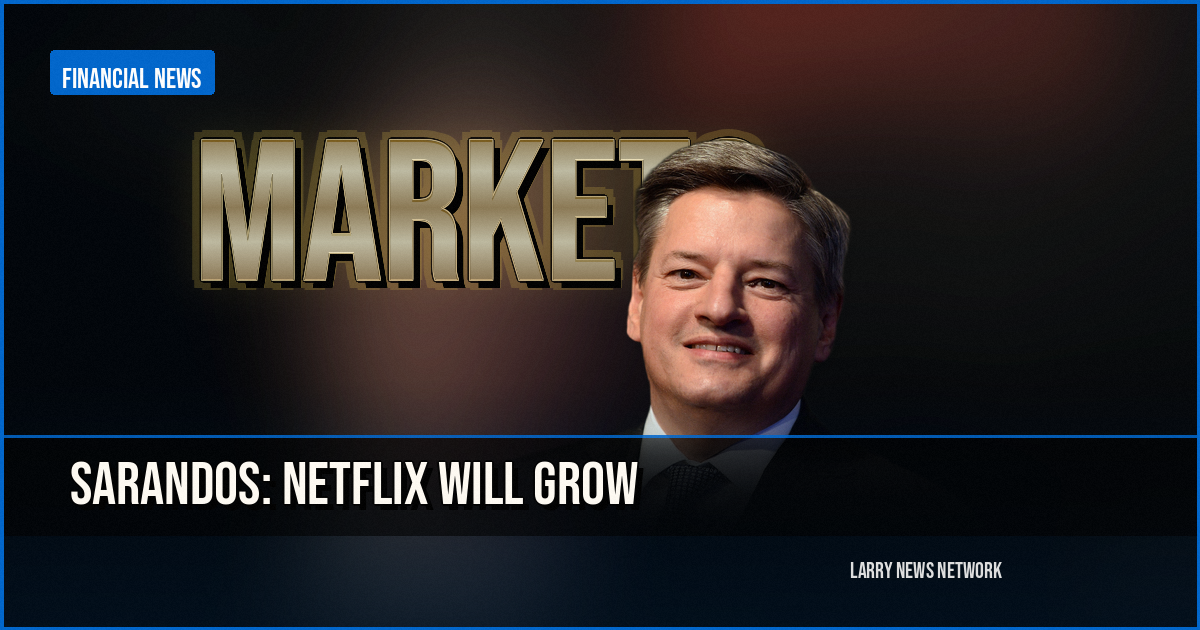
Sarandos Says Warner Bros. Purchase Will Accelerate Netflix Growth
Netflix co-CEO Ted Sarandos has expressed "highly confident" that a deal for Warner Bros. Discovery (WBD) is set to close. This statement follows Netflix's decision to grant WBD a seven-day waiver, enabling the latter to reopen discussions with Paramount Skydance. The waiver period is slated to conclude on February 23. Sarandos articulated his belief that Netflix's offer presents a superior outcome for WBD shareholders, consumers, and the broader theatrical exhibition sector. This development underscores the competitive strategic landscape in the entertainment industry, with WBD seemingly evaluating multiple paths. The impending February 23 deadline will be a key determinant for the transaction's future and its potential market ramifications.
Emily Warren
BUSINESS
U.S. trade deficit totaled $901 billion in 2025, barely budging despite Trump's tariffs
The U.S. trade deficit significantly widened in December, reaching $70.3 billion. This marked a substantial increase of $17.3 billion from November and was well above the Dow Jones consensus estimate of $55.5 billion. For the full year 2025, the U.S. recorded a $901.5 billion deficit, representing a marginal decrease of just 0.2% ($2.1 billion) from 2024. This figure indicates that despite the Trump administration's aggressive tariff policies implemented throughout the year, the overall trade imbalance remained essentially unchanged. Full-year exports rose to $3.43 trillion, while imports increased to $4.33 trillion. The largest goods deficits were observed with the European Union, China, and Mexico. The December surge highlights ongoing global trade imbalances and the limited immediate impact of trade policies on the annual deficit.
Emily Warren
BUSINESS
Trump to decide whether to attack Iran in next 10 days — oil prices jump
President Donald Trump announced on February 19, 2026, that he would decide within the next 10 days whether to launch military strikes against Iran or pursue a "meaningful deal." This declaration immediately impacted oil markets, with U.S. crude (WTI) rising 2.29% to $66.68 per barrel and global benchmark Brent up 1.99% to $71.75. Oil prices have been on an upward trend this week, with WTI gaining 6%, driven by fears of an imminent U.S. attack. Diplomatic efforts this week saw U.S. envoys engage Iran in Geneva regarding its nuclear program. However, Vice President JD Vance stated Iran did not address U.S. "red lines," though Press Secretary Karoline Leavitt noted some progress but significant remaining differences. A substantial U.S. military buildup is underway in the Middle East, while Iran's Revolutionary Guard conducted exercises in the critical Strait of Hormuz. Traders are concerned that conflict could severely disrupt global oil flows through this key chokepoint.
Emily Warren
BUSINESS
King Charles' brother Andrew arrested on suspicion of misconduct
U.K. police on Thursday arrested Andrew Mountbatten-Windsor, King Charles III's brother, on suspicion of misconduct in public office. Thames Valley Police confirmed the arrest of a man in his 60s from Norfolk, stating searches were underway at addresses in Berkshire and Norfolk as part of an ongoing investigation. Assistant Chief Constable Oliver Wright emphasized the importance of protecting the inquiry's integrity and objectivity. King Charles III promptly issued a statement expressing his "deepest concern" over the development. The monarch affirmed the royal family's "full and wholehearted support and co-operation" for the police, asserting that "the law must take its course." This arrest follows Andrew's past controversies, including his association with the late Jeffrey Epstein. While Andrew denied previous allegations and there is no indication this arrest relates to claims by Virginia Giuffre (who died in 2025), police had previously assessed reports alleging he sent confidential trade reports to Epstein in 2010. The investigation is ongoing, with further updates expected.
Emily Warren
BUSINESS
New York Gov. Hochul drops robotaxi service proposal for outside NYC in blow to Waymo
New York Governor Kathy Hochul has withdrawn a proposal that would have allowed commercial robotaxi services, including Alphabet's Waymo, to launch in parts of the state. Her office cited a lack of support from stakeholders, including the legislature, for the decision. This reversal is a significant setback for autonomous vehicle (AV) operators like Waymo, which had plans for broader expansion and expressed disappointment. The proposal, introduced by Hochul last month, aimed to permit limited deployment outside of New York City, a potentially lucrative market. It faced considerable scrutiny from labor unions, rideshare drivers, and transit workers, who voiced concerns over safety and potential job losses. Waymo's existing AV testing in New York City, currently conducted with human safety drivers under an extended permit, will not be affected. The withdrawal highlights the ongoing regulatory hurdles and stakeholder resistance impacting the commercialization and widespread adoption of robotaxi services in major U.S. markets.
Emily Warren
Follow Larry News Network
Subscribe on YouTube
Get the latest news videos delivered to your feed